
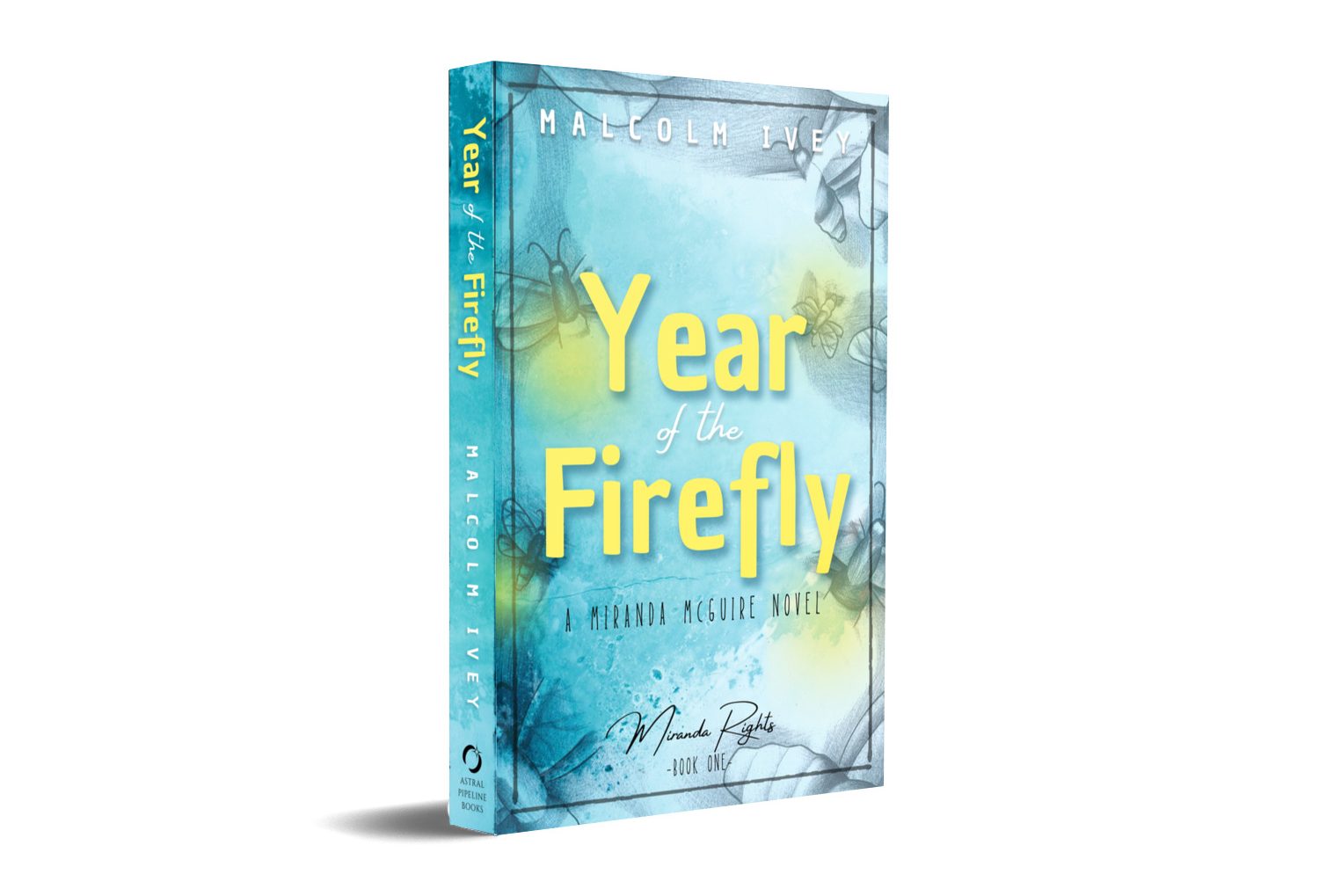
After writing Sticks & Stones in 2017, my fourth stand-alone novel, I decided it was time for a breather. I had spent the previous seven years on my bunk, nose in my journals, pen whistling across the page, mostly oblivious to the misery and violence of the world that surrounded me. I was too busy talking to my imaginary friends, lost in the alternate realities they inhabited, jotting down plot points and pieces of dialogue. And even when I wasn’t hammering away on a project, I was busy writing a letter to some politician or director or literary agent. Writing. This is how I dealt with the reality of a 20-year mandatory bid. Not a bad way to handle the monotony of prison life. However, after burning through hundreds of ink pens and countless reams of notebook paper that spanned the length of four self-published novels, and with very little return on energy to show for the work, I figured I was overdue for a vacay. It was time to chill.
But as most authors—and songwriters and artists and designers—will testify, vacations are never really vacations. I believe this is because we are haunted subconsciously by the reality that there is only a finite amount of time to get our stories and characters on the page, to produce our magnum opuses, to do our work… The beckoning hands of that relentless invisible clock ticking away in the background inevitably lure us back to our workstations. Sometimes it takes a minute. Sometimes we resist. Sometimes we drown out the small voice with drugs and alcohol or other frivolous distractions. But as soon as we begin creating again, a strange thing happens; consumed with our mission, a sense of contentment begins to settle over us. In fact, we are much happier at work than we were when we were wandering around in our slippers claiming to be on vacation. At least that’s how it works for me.
This is where I was when I began writing the Miranda Rights trilogy in 2019. I had been adrift for two years, questioning my previous work, not producing anything, miserable but clueless as to why. I was on the back third of my sentence. My release date was only seven years away. Mom was alive and healthy. A certain redhead had recently floated into my orbit. I had plenty to be grateful for. But there was this unshakeable disquietude riding shotgun with me everywhere I went. And I could not figure out what was up… until I began writing again. Then I was like, “Oh yeah, that’s right.”
Year of the Firefly, the first book in the series, was intended to be a stand-alone novel about a liberal female college student with an opioid habit who finds herself in a north Florida jail facing some heavy charges. I envisioned her having to learn her way around the law library and eventually winning her freedom against all odds in the tradition of David and Goliath and other underdog stories. Then she began whispering her secrets to me as characters will often do. The first major bombshell was that she was prego. Gulp. As a lifelong prisoner writing from my bunk, with no children of my own, I was completely unprepared for that. Then she told me that she had a genius-level IQ and an eidetic memory. I don’t know which was more difficult, imagining myself into the sore boobs, swollen belly, and surging hormones of a pregnant 20-year-old, or writing from the mindset of a prodigy with a photographic memory. Neither were what I signed on for when I began the journey. But getting to know Miranda and all her incarcerated allies and enemies over the five years it took to write this trilogy is one of the great privileges of my life.
When this adventure began, I had seven years left on a 20-year mandatory sentence for armed robbery. I was working in the prison infirmary and had to change jobs so I could study post-conviction law. Covid had not yet hit, Trump’s first term was drawing to a close, and I was beginning to lose hope as a writer. My books were not finding an audience on the other side of the razor wire. But I still considered it my job to shine a light. I had already written four novels examining the male prisoner experience and over the course of that period, I kept receiving emails and letters from recently released female prisoners from Lowell and Gadsden, all basically saying the same thing: “Dude, you wrote my life.” Massive compliment, by the way. Those letters and emails got me thinking it was time to write a story examining the female prisoner’s journey. The Miranda Rights trilogy is the product of that.
The following is an excerpt from the acknowledgements page:
To my incarcerated sisters, I wasn’t bullshitting in the dedication—I wrote this for you. (If the last four are any indication, you’re the only ones who’ll be reading it anyway.) Cancel culture will say that I have no right to tell this story… your story. They’ll say that straight white males should stick to straight white male subject matter. But my race is prisoner. My gender is prisoner. So, too, is my tax bracket, my religion, and my political affiliation. My mission from the gate has been to humanize us. To show that we are more than mugshots and rap sheets. Though society may say otherwise, we are not defined by the worst instances in our lives. I hope you see yourselves in Miranda, the way that I see myself in you.
Year of the Firefly: The Free Serialization kicks off with an introduction tomorrow and Chapter 1 on Monday. 📖 New chapters are released every Monday and Thursday. Whether you’re a long-time reader or discovering my work for the first time, you can read the entire novel on Substack for free. Visit the page anytime to catch up on chapters you may have missed. 📚 Prefer holding a real book in your hands? Skip the weekly wait and grab the complete paperback edition right now on Amazon or other online retailers. Ebook is available on Amazon and Kindle Unlimited. 👉 New to my writing? Explore all eight of my published books on my website, malcolmivey.com.

